 The Hair Guide
Related Articles
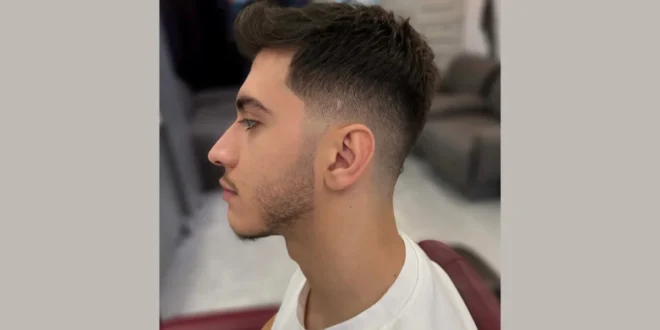
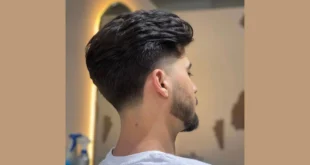
Looking to level up your style? Fade haircuts are the ultimate way to make a statement. From subtle tapers to bold high fades, these cuts define modern masculinity and keep every look sharp. Let’s dive into the freshest styles that turn heads everywhere.
Complete Style Guide
Looking to refresh your look with something sharper and cleaner? A fade haircut for men is the perfect way to achieve a polished, modern style. Whether you want a smooth transition between lengths or a taller, textured top, these hairstyles will help you decide the perfect cut for your personality and vibe.
What Is a Fade Haircut?
The term “fade” refers to a haircut where the sides and back are cut shorter than the top, creating a seamless transition. Originating from military styles, fade haircuts became a staple because they are neat, low-maintenance, and effortlessly stylish. The key to a perfect fade is blending the line between shorter and longer hair so it gradually “disappears” into the skin, giving a clean and sharp look that turns heads.
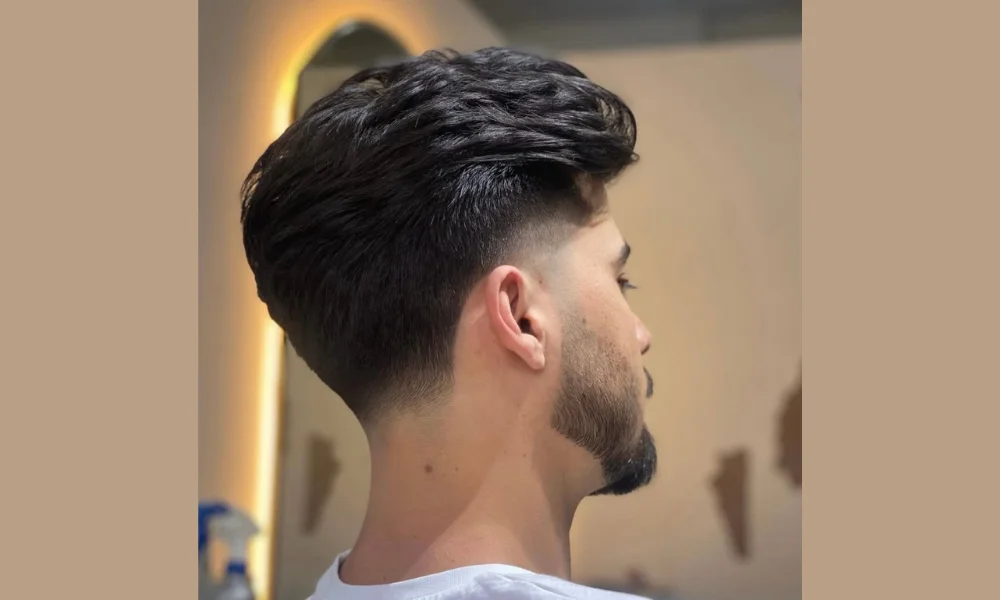
1. Buzz Fade
To make a buzz fade, you use electric clippers, just like you might guess. They buzz the hair to make sure that all of it is the same short length (except for the fade). It appears to be a high and steep slope in this case.
2. Box Fade
You can opt for a box fade if you want to achieve a really cool look. Many African American men appreciate this style because it allows them to showcase their natural texture and create cool geometric shapes.
2. Faded Undercut for Longer Hair
Flushed undercuts became very popular last year, and this new style is only going to continue growing in popularity. The hair is smoothed back and either held in place with styling gel or left to hang open. What’s important is that the hair on top is much longer than the hair on the rest of the head.
3. Fade Line
You are welcome to go out on a limb when there are so many fade types to pick from. One easy way to step it up is to get a shaved line, where the circle starts at the temples and goes to the nape of the neck.
4. Fade with Designs
There are numerous different fades that can be used with geometric and abstract patterns. If you have sharp features on your face, choose lines with sharp curves and ensure they complement your facial hairstyle.
5. Comb Over Fade
One of the best fade haircuts for men is the comb-over fade, which offers numerous ways to make it your own. In this case, the look is set apart even more by the very smooth hair and very sharp lines.
Men’s fade haircuts, whether they are high, middle, or low, are a great way to change your look. You can adjust the fades to make them bold or soft, depending on the level of contrast you prefer.
Men’s Fade Haircut Types
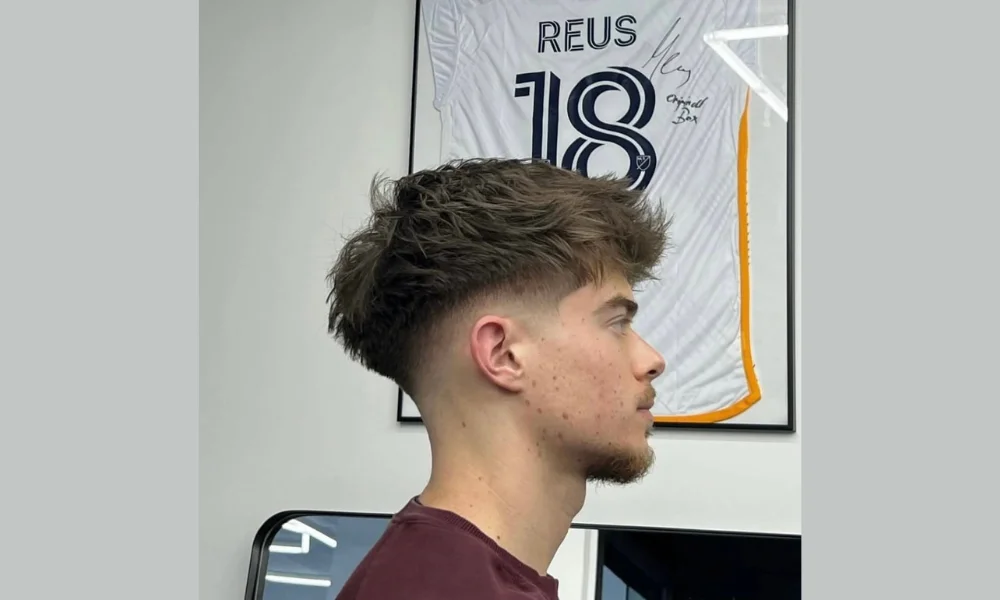
Not sure what kind of fade you need? We understand your worry because each type of fade is defined by its own method, look, and ability to blend with other men’s haircuts. Want something classy but rough? After that, do a scissor fade. Do you want something new and sharp? The best choice for you is a skin fade or a shadow fade.
6. Skin Fade
The bald fade is the shortest type of fade, ending at bare skin for optimal clarity and contrast. It has a simple, beautiful, and clear appearance.
7. Taper Fade
With this style, the length slowly falls to the natural neckline. For a more delicate look, it usually leaves more hair than a regular fade.
8. Burst Fade
To create a unique three-dimensional effect, try a unique semicircular design that goes from the ear. This looks great with textured tops.
9. Drop Fade
In this style, the fade line curves down behind the ear to create a unique shape, adding interest to what would otherwise be a simple haircut.
10. Temple Fade
This crop, also known as the “Brooklyn fade,” is characterized by fading around the temples to achieve a clean, defined look.
11. Shadow Fade
A shadow-like fade never goes all the way to the skin, but keeps a little hair at the very end for a smoother transition.
12. Scissor Fade
This cut was made with scissors and features a lot of texture, resulting in a softer, more natural look.
13. Box Fade
This cool take on the fade has a geometric look with clear forms and sharp angles.
Guide to Fade Height
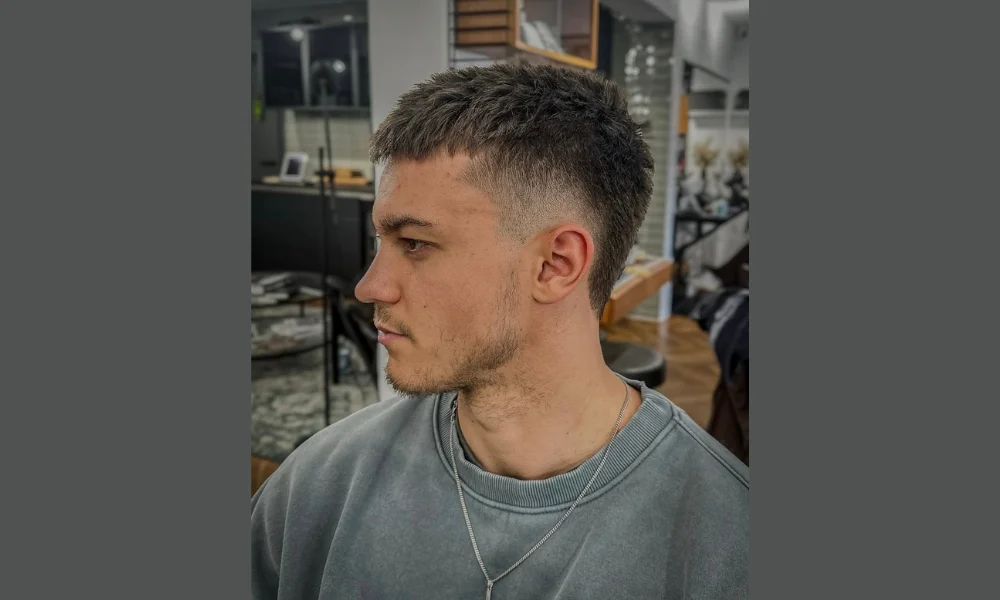
Did you know that fades can begin at different volumes? Whether the natural curve is placed higher or lower changes the style and how often it needs to be maintained. Because they are simple and classic, low fades are easier to style. On the other hand, a high fade needs to be trimmed often to keep its high-contrast look. Choose from these well-known styles.
14. High Fade
The fading starts at the temples, creating a striking contrast that draws attention to the top volume and disappears along the sides.
15. Mid Fade
In a mid-fade cut, the mixing section starts around the temples to create a balanced look that can be worn to work or out with friends.
16. Low Fade
With its soft shape that begins just above the ears, this hairstyle is ideal for formal settings, even with a touch of extra definition.
17. Blended Fade
Want a smoother change between lengths that doesn’t have any clear lines? Then, choose a natural gradient effect that does a great job of mixing short and long hair.
Tips for Choosing the Right Height
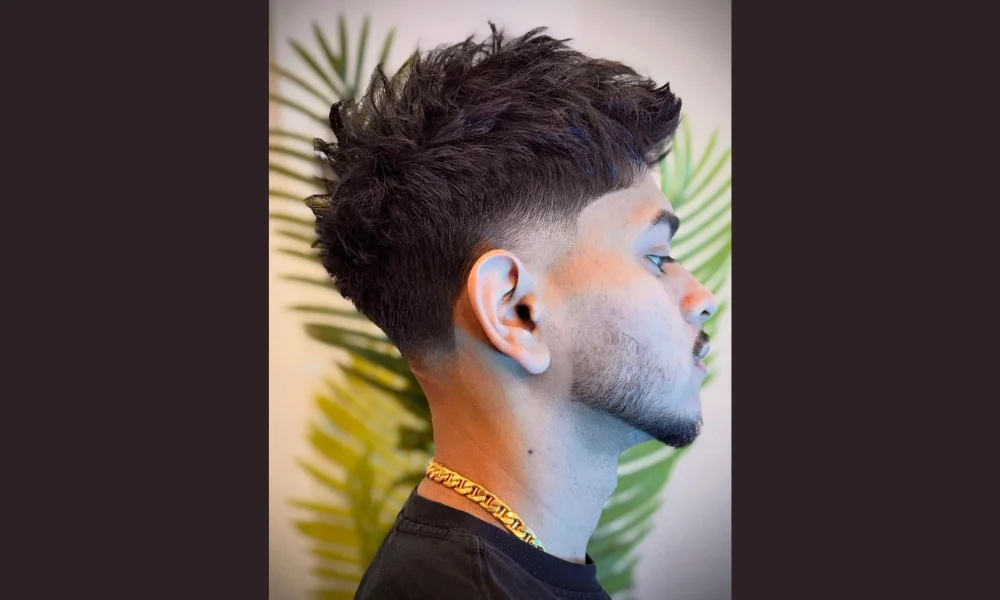
To choose the right fade height, consider your face shape, hair type, and lifestyle. For example, people with round faces should opt for a high fade because it creates lines that make the face appear slimmer. People with diamond-shaped faces should opt for a low fade, as it maintains volume at the sides and balances out a narrow chin.
On the other hand, people with naturally straight hair tend to prefer low fades because they make their hair appear thicker. If you have curly or wavy hair, a drop fade showcases its shape more effectively because it keeps the sides clean. For people who are always on the go, a high fade with a short top layer gives the cleanest look and requires the least amount of styling.
Designing and placing fades
A good fade haircut is not only up-to-date and in style, but it’s also useful and easy to change. With the goal of making you feel good in your own skin, a good fit is cut to flatter your figure. For example, side cuts make faces look longer, which is great for people with small faces who have long hair on top. Scroll down for more ideas and images!
18. Side Fade Style
This shape changes the standard fade look from soft to dramatic. Still, it does a good job of framing the face and giving the temples shape.
19. Back Fade
Want something more interesting than a short back? If you want to change the overall appearance of your hair, especially from the side, try this fade cut.
20. One-Side Fade
For your next hair transformation, consider opting for an uneven look with a focused fade on one side. It will help you make a strong, stylish statement.
21. All-Around Fade
If you use the fade method consistently, you’ll have a uniform look that looks good from every angle. This style will look great on golden, blonde, and black hair.
Elements of Fade Design
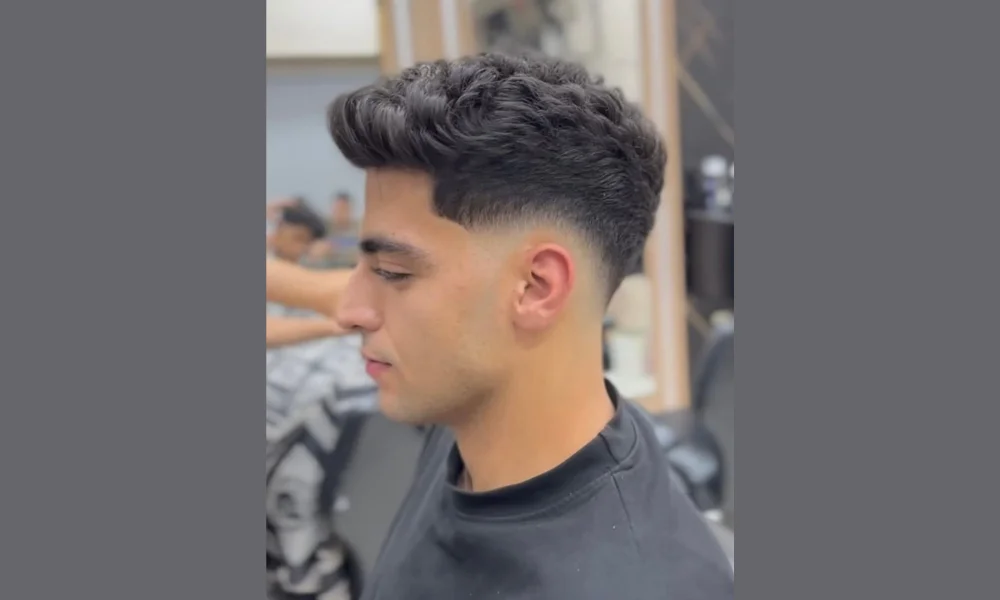
Any haircut can look dressier with fades, but they can really stand out with other design and structural elements that enhance the basic patterns. Find out how to make your crop more unique and interesting to look at by adding hard parts, fringes, and hair tattoos.
22. Hard Part
Achieve a parting line that is very sharp, with sides that fade to create a sharp, surgically exact detail that enhances the definition.
23. Line Up
This exact outline makes clean edges and sharp angles, which are very popular in urban styles. The edge-up style, on the other hand, features sharp, defined edges that showcase the natural hairline with great detail, especially around the temples and neck.
24. Parted Styles
You can switch between a middle-parted and a side-parted cut to match your fade style and add more structure to different parts of your haircut.
25. Fade with a Fringe
A fringe style is ideal for individuals who prefer to keep their front hair a bit longer. It features a part that is styled forward and has faded sides that frame the face, keeping the look clean.
26. Hair Tattoos
You can add intricate patterns, such as cross designs or curved lines, that are shaved into your faded areas to create a more subtle or bold effect, depending on your style.
Fade Haircuts by Length
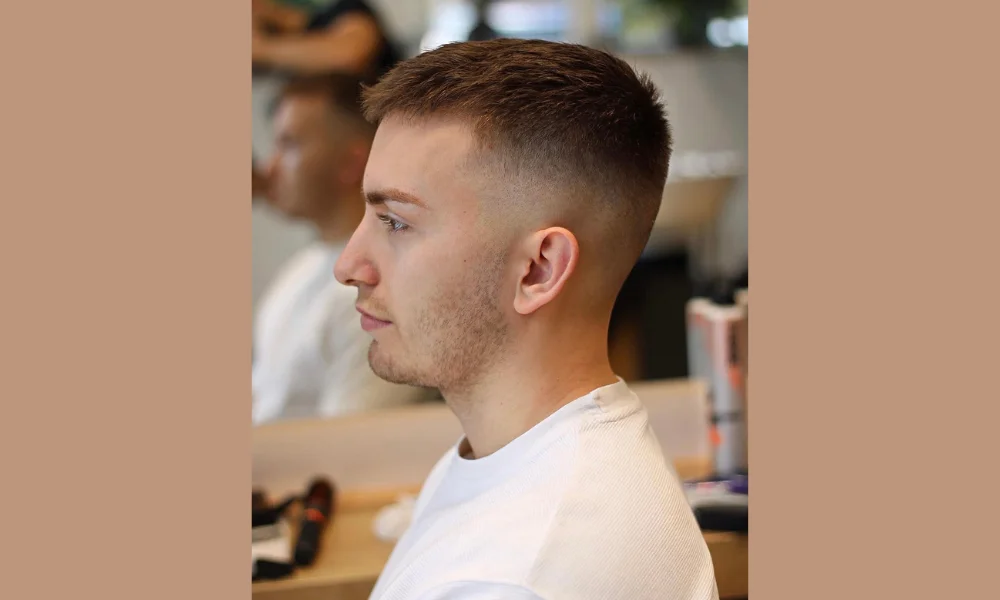
If you want faded sides or a light fade at the back of the head, you don’t have to cut your top layer short. Actually, this crop is designed to pair easily with different lengths of tops. This provides you with numerous styling options and flexibility. Is it short and clean all over, or is it long on top and worn on the sides? Pick.
27. Short Fade Cuts
The top of the crop fade type is very short, and the sides are shaved. This is a modern take on the classic Caesar cut, which adds more texture and shape to your short hair.
28. Medium Length Fades
This choice is very flexible, allowing you to use a variety of styling techniques to create balanced or distorted proportions between the top and sides.
29. Long Top Fades
Since a good amount of length is kept on top, the clean worn sides make the look stand out even more. In turn, this successfully increases the number of ways to style it.
Fades for Different Types and Textures of Hair
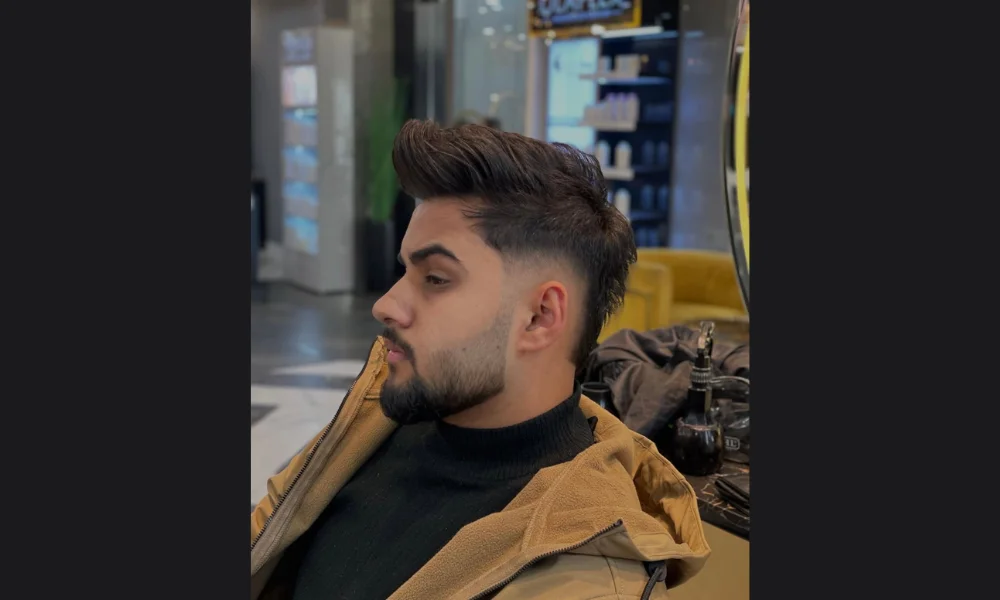
Adjust your new crop to perfectly match the texture of your natural hair. If you have straight, thin hair, it’s best to cover your head as much as possible. Low to mid-level fades can save the day. Either a temple fade or a burst fade will look great on curly hair. Both give you a clean cut along the sides and a textured top. It’s the same for hair that is thick and fluffy. The only difference is that you can wear a high fade with it without worrying about your hair becoming thick and unruly. Here are some points to consider.
30. Straight Hair Fades
For this look, the sharp definition and clean lines showcase a precise fade method with minimal blending issues.
31. Thick Hair Fades
This cut will help you eliminate excess bulk while maintaining your style, creating a balanced shape, and making your hair easier to manage.
32. Curly Hair Fades
Make the difference in texture between the tight sides and the curly top stand out. This style needs special skills to avoid sharp transition lines, but it’s a good one to try next.
33. Wavy Hair Fades
Improve your natural movement on top while keeping the sides under control with this type of fade’s varied texture play.
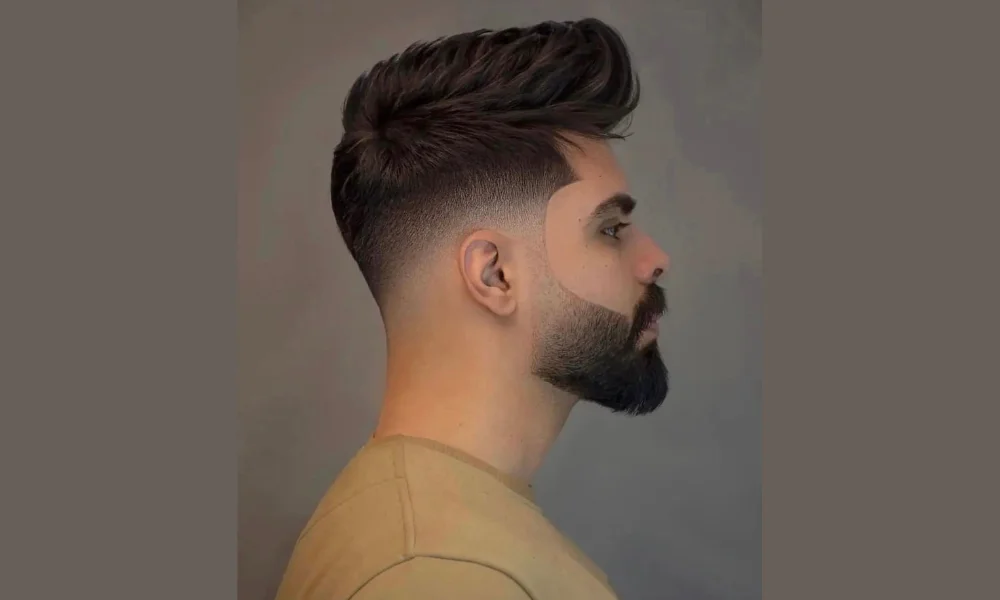
FAQs
Q1: What is the difference between low, mid, and high fades?
A: Low fades start just above the ears for a subtle look, mid fades sit around the temples for balanced style, and high fades begin near the top of the head for maximum contrast.
Q2: Can I get a fade with curly or wavy hair?
A: Absolutely! Curly and wavy hair look great with drop fades or temple fades, which keep the sides clean while showcasing the natural texture on top.
Q3: How often should I trim a fade haircut?
A: Maintenance depends on the fade height. High fades need trims every 2–3 weeks to keep the sharp contrast, while low fades can last 4–6 weeks.
Q4: Which fade suits my face shape?
A: Round faces benefit from high fades to create angles, diamond-shaped faces from low fades to maintain side volume, and straight or thin hair works best with low to mid fades for added thickness.
Q5: Can I combine fades with designs or lines?
A: Yes! Hair tattoos, shaved lines, and geometric patterns elevate a fade and let you express personal style while keeping the haircut clean and defined.
Final Verdict
Fade haircuts are more than just a hairstyle—they’re a statement. From subtle, professional tapers to bold, edgy high fades with designs, there’s a fade for every personality, face shape, and hair type. Whether you’re aiming for a polished everyday look or a striking, head-turning style, a fade keeps your hair clean, structured, and effortlessly stylish. Choose the right type, height, and design, and you’ll have a versatile look that always stands out.

4 comments
Pingback: 30 Teen Boy Haircuts That Are Trending Now
Pingback: 20 Best Mens Medium Length Hairstyles - The Hair Guide
Pingback: French Crop Haircut: Clean & Modern Style
Pingback: 30 Modern Low Fade Haircuts for Men